

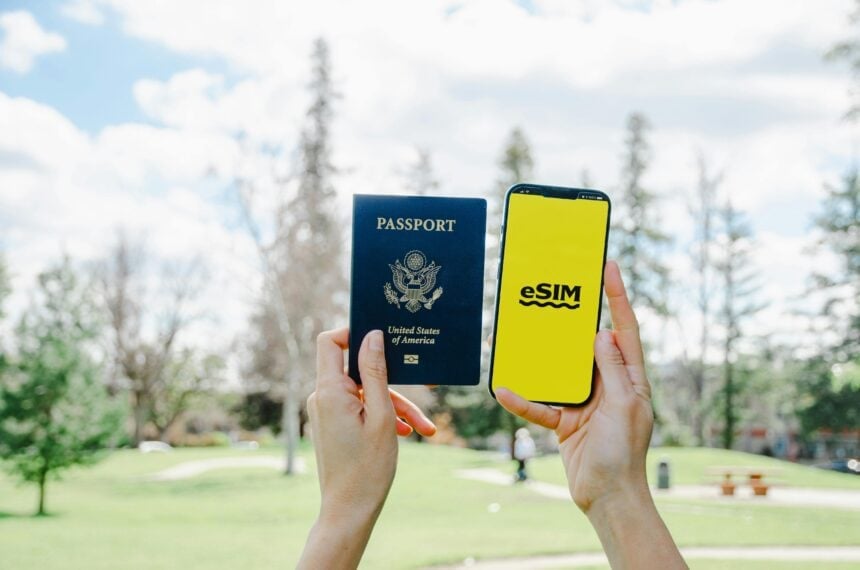

Mobile access can shape how smooth a trip feels, especially when plans shift or directions change midday. Different countries bring different networks, speeds, and coverage gaps. That mix can feel confusing at first, but a few clear habits make it easier to stay connected. With the right approach, network use becomes less of a worry and more of a quiet support.
Start with How and Where the Phone Will Be Used
Before choosing any plan, it helps to think about daily phone use. City travel often depends on maps, ride apps, and quick searches, while slower days may only need light browsing. An international eSIM can help support access across several stops without repeated changes. This keeps the connection steady during train rides, taxi trips, or long walks.
It also helps to consider how often the phone will rely on mobile internet instead of WiFi. Some travelers use hotel or café connections most of the time, while others depend on mobile access all day. A clear idea of usage helps avoid picking a plan that feels too limited. It also reduces the chance of running out at an inconvenient time.
Check Network Type
A strong signal icon does not always mean fast speeds. In many places, 4G offers stable performance for maps and browsing, while 5G may provide faster speeds in busy areas. The experience can change within minutes when moving between streets or neighborhoods. That is why it helps to understand what the device is actually connecting to.
In some regions, the phone may switch between network types without notice. This can affect video calls, uploads, or app response time. A quick check in the settings menu can show whether the phone uses 4G or 5G at a given moment. This small detail helps explain sudden changes in speed.
Activate the eSIM after Arrival with Ease
Many people find it simpler to complete the setup after landing. Airport WiFi or hotel internet can support the process without time pressure. This avoids last-minute steps before departure and allows more focus on travel plans. A calm setup often leads to fewer errors.
Simple checks right after activation
Once the profile is active, it helps to confirm that the correct line handles mobile internet. The phone should connect to a local network within a short time. If it does not, a quick restart may help refresh the connection. These steps help confirm that everything is ready for use outside the airport.
Keep Both SIM Lines Organized
Phones with dual SIM support allow more control over calls and internet use. An international eSIM may handle mobile internet, while the main SIM stays active for calls or messages. This setup works well for people who need access to both numbers. It also helps avoid confusion when switching between tasks.
A few quick checks make this setup easier:
- Set the correct line for internet access
- Disable roaming on the main SIM
- Review which line handles calls
- Check hotspot availability
- Confirm network selection options
These small steps help maintain order on the device. They also reduce the chance of unwanted charges. A clear setup supports smoother use throughout the trip.
Make Small Changes to Improve Daily Performance
Phone settings can influence how well the connection works. Automatic network selection works in most cases, but manual selection may help in areas with weaker signals. A quick switch can improve stability when the connection feels slow. This option is easy to test.
Apps also affect performance more than expected. Background updates, auto downloads, and high quality video can slow things down. Adjusting these settings helps maintain better speeds. It also supports a more balanced use during busy days.
Track Usage Patterns Across the Trip
Travel plans often change from one day to another. Some days may require more internet for navigation or uploads, while others remain light. A quick check of usage helps adjust habits as needed. This keeps access steady across the trip.
Small adjustments can make a difference over time. Lower video quality and fewer background tasks help extend usage. These changes are simple and easy to follow. They help keep the connection active until the final day.
A steady connection across different countries depends on a mix of awareness and simple steps. Network type, coverage gaps, and device settings all play a part in daily use. When these factors are handled with care, an international eSIM may help improve access across borders without frequent interruptions. The result feels more natural, with fewer surprises along the way.


