


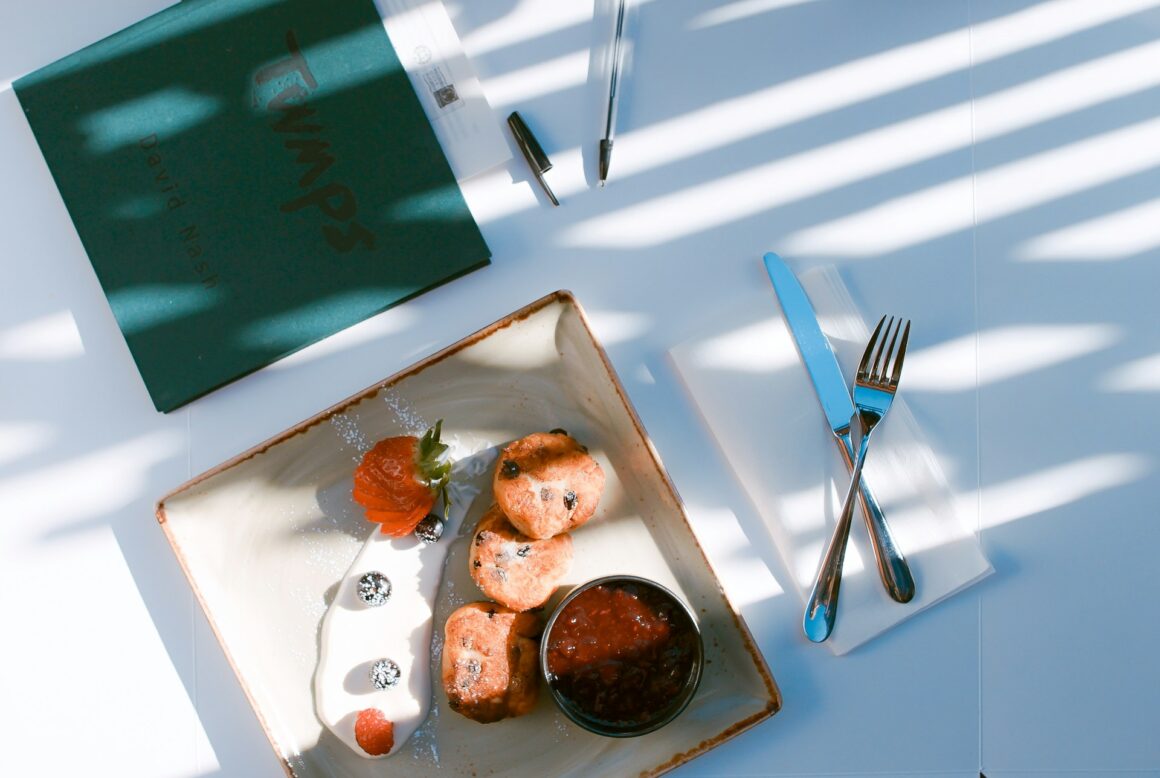
Image Credit: Unsplash
Selling specialty food online is a tricky business. How do you get someone to taste, feel, or smell something through a screen? Unlike everyday groceries, gourmet products really shine because of their unique story, amazing quality, and the delightful experience they promise. For brands in this space, just using regular marketing often doesn’t cut it. To really succeed, you need a mix of rich storytelling, gorgeous visuals, and a solid grasp of what makes a picky customer hit “add to cart.”
Digital marketing isn’t just about throwing up ads; it’s about building an online world that feels just as high-quality as your food. From that first glimpse on a social media feed to the final checkout, every single interaction should shout value, authenticity, and pure deliciousness. This guide will walk you through the key strategies specialty food brands can use to connect with their audience and turn online curiosity into a loyal customer base.
Understanding Your Gourmet Audience
Before you can even think about selling your product, you’ve got to know exactly who you’re talking to. The folks who buy specialty foods aren’t all the same; they’re a diverse bunch with different reasons for buying. Some are home cooks hunting for restaurant-level ingredients to make their meals extra special. Others are health-conscious people who prioritize organic, ethically sourced foods. And many are simply looking for a unique gift or a little treat for themselves.
So, the first step is to create detailed customer personas. Don’t just think about age and location; dig into their lifestyle, what they value, and what problems they’re trying to solve.
- The Aspirational Cook: This person follows famous chefs on Instagram, devours cooking shows, and dreams of recreating fancy dishes at home. They’re on the hunt for unique ingredients and expert tips.
- The Ethical Eater: This customer genuinely cares about where their food comes from. Transparency, sustainability, and animal welfare are super important to them. The story behind your product matters just as much as the product itself.
- The Convenient Connoisseur: This individual is busy but refuses to compromise on quality. They love curated boxes, subscription services, and easy-to-make meal kits that offer a gourmet experience without the fuss.
Once you have these personas, you can peek at your website and social media analytics to see which groups are really engaging with your content. Look at what pages they visit, which posts they like, and what products they buy. This data helps you fine-tune your message and make sure you’re speaking directly to the people most likely to fall in love with what you offer. It’s a key part of a successful digital marketing strategy for any food business.
Crafting a Compelling Online Presence
Your website is basically your digital shop, and for a specialty food brand, it needs to be absolutely irresistible. This is where you take the yummy appeal of your products and turn it into an engaging online experience. Blurry photos or a confusing website layout can instantly make a premium product seem cheap in a customer’s eyes.
Top-notch photography and videography are a must-have. Invest in professional visuals that show off your food in its best light. This means:
- Product Shots: Clear, well-lit photos of the product on a simple background.
- Lifestyle Images: Pictures showing your product being enjoyed in a real-life setting, like a beautiful cheese board, a steaming bowl of pasta, or a perfectly cooked fish fillet.
- Behind-the-Scenes Content: Videos or photos that tell your brand’s story. Show off the farm where your ingredients grow, the kitchen where your goodies are made, or the friendly faces behind the brand.
Storytelling is the thread that weaves your entire online presence together. Your “About Us” page should be more than just a dry company bio; it should be a story that connects customers to your mission. Product descriptions should go way beyond simple facts. For example, a page for premium seafood shouldn’t just list the price; it should dive into its origin, taste profile, and even suggest how to prepare it, much like you’d see for high-end https://www.mainelobsternow.com/products/ora-king-salmon Ora King Salmon portions. These rich details help justify a higher price and build trust with your customers.
Content Strategies That Convert Food Lovers
Content is the engine that drives your digital marketing efforts. It’s how you grab new customers, keep your current audience interested, and establish your brand as an expert in your niche. For food brands, content should be both inspiring and practical, helping customers imagine using your products and giving them the confidence to do it.
A blog is a fantastic spot for sharing valuable content. You can post recipes that feature your products, cooking guides that teach new tricks, or articles on how to pair different foods. For instance, a brand selling artisanal honey could create content like “Honey and Cheese Pairings,” “Baking with Honey Instead of Sugar,” or “The Health Benefits of Raw Honey.” Each piece of content offers something useful to the reader while subtly promoting the product.
Video is another super powerful tool. Short videos on platforms like Instagram Reels and TikTok are perfect for quick “how-to” tutorials, peeks behind the scenes, and satisfying “food porn” shots. Longer videos on YouTube can be used for in-depth cooking classes or interviews with your suppliers. And don’t forget to encourage user-generated content (UGC)! Create a unique hashtag and ask customers to share photos of the dishes they make with your products. Featuring UGC on your social media channels builds a sense of community and provides authentic social proof.
 Image Credit: Unsplash
Optimizing for Direct-to-Consumer Sales
Having a gorgeous website and awesome content is only half the battle. You also need to make it super easy for customers to actually buy your products. The direct-to-consumer (D2C) model gives you total control over the customer experience, but it also means you’re responsible for everything from checkout to delivery. A smooth food ecommerce experience is absolutely vital for success.
Your e-commerce platform should be easy to use and work well on phones. The checkout process should be as simple as possible, with minimal steps and clear info about shipping costs and delivery times. For perishable items, being upfront about shipping methods and timing is key to building customer trust. Clearly state your shipping policies and offer tracking info so customers know when to expect their order.
Think about offering different ways to buy to suit various customer needs.
- Subscriptions: Offer a subscription for products people use regularly, like coffee, snacks, or pantry staples. This creates a steady, recurring income stream.
- Bundles and Kits: Group related products together into bundles, such as a “Pasta Night Kit” with pasta, sauce, and cheese, or a “Grilling Essentials” bundle with spices and marinades. This can boost your average order value and introduce customers to more of your product line.
- Gifting Options: Make it simple for customers to send your products as gifts. Offer gift wrapping, personalized notes, and the option to ship to a different address.
Leveraging Social Media for Food Discovery
Social media is where tons of people discover new food brands. It’s a visual, interactive space that’s just perfect for showing off delicious products. The trick is to pick the right platforms and create content that really clicks with the food and beverage industry’s audience.
Instagram and Pinterest are absolute must-haves for food brands because they’re so visual. Use high-quality photos and videos to create a feed that looks like a beautiful cookbook. Use Instagram Stories for more casual, behind-the-scenes glimpses, polls, and Q&A sessions to chat directly with your audience. Reels are fantastic for quick recipe demos or the satisfying process of making or packing your food.
Influencer marketing can be especially effective for specialty food brands. Team up with food bloggers, home chefs, and micro-influencers whose followers match your ideal customer. A genuine recommendation from someone they trust can be much more powerful than a traditional ad. Look for partners who truly love your product and can create content that feels natural and inspiring. The whole process of navigating the digital market becomes easier when you have authentic voices championing your brand.
Ultimately, a strong online presence lets specialty food brands share their passion and quality with a much wider audience. By combining beautiful visuals, engaging stories, and a super smooth shopping experience, you can build a thriving online community of loyal fans.


