

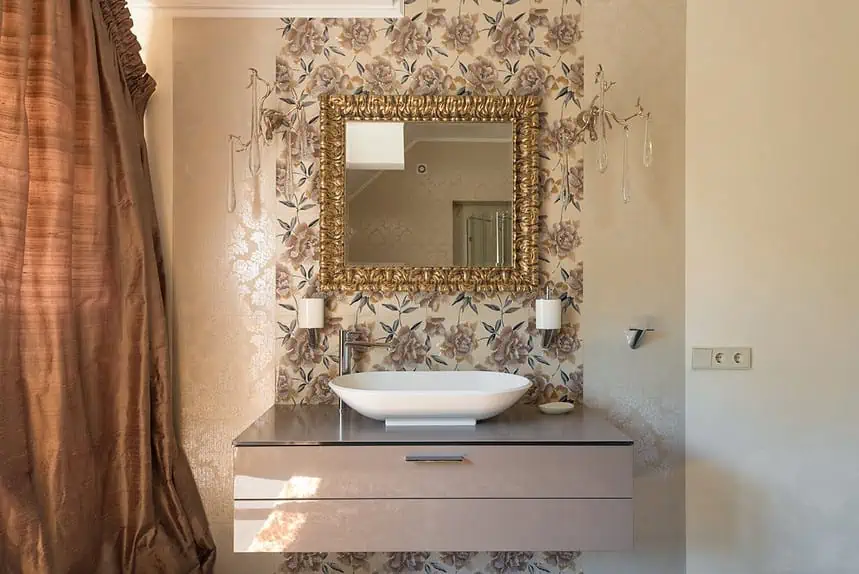

A bathroom can look perfectly acceptable while quietly making everyday routines more difficult. A bathtub that is awkward to enter, poor lighting around the mirror, or storage that never seems sufficient can turn simple activities into daily frustrations. These problems often become more noticeable as household needs change.
- Start With the Fixtures That Cause the Most Frustration
- Design the Layout Around How People Actually Move
- Choose Surfaces That Can Handle Constant Moisture
- Improve Lighting Where It Makes the Biggest Difference
- Build Storage Around Your Daily Essentials
- Plan for Accessibility Before It Becomes Necessary
- Prevent Hidden Water Problems During Renovation
- Make Renovation Choices That Remain Practical for Years
A successful bathroom renovation should address these practical concerns before focusing on decorative finishes. The right improvements can make the space easier to clean, safer to navigate, and more comfortable to use.
By prioritizing functionality alongside appearance, homeowners can create bathrooms that continue working well long after the renovation is complete.
Start With the Fixtures That Cause the Most Frustration
Before choosing tiles or paint colors, identify which bathroom fixtures are no longer meeting your needs. An aging bathtub, for example, may have persistent stains, damaged surfaces, or a design that makes bathing uncomfortable.
Some homeowners attempt repeated repairs or refinishing, only to discover that the underlying fixture remains difficult to maintain.
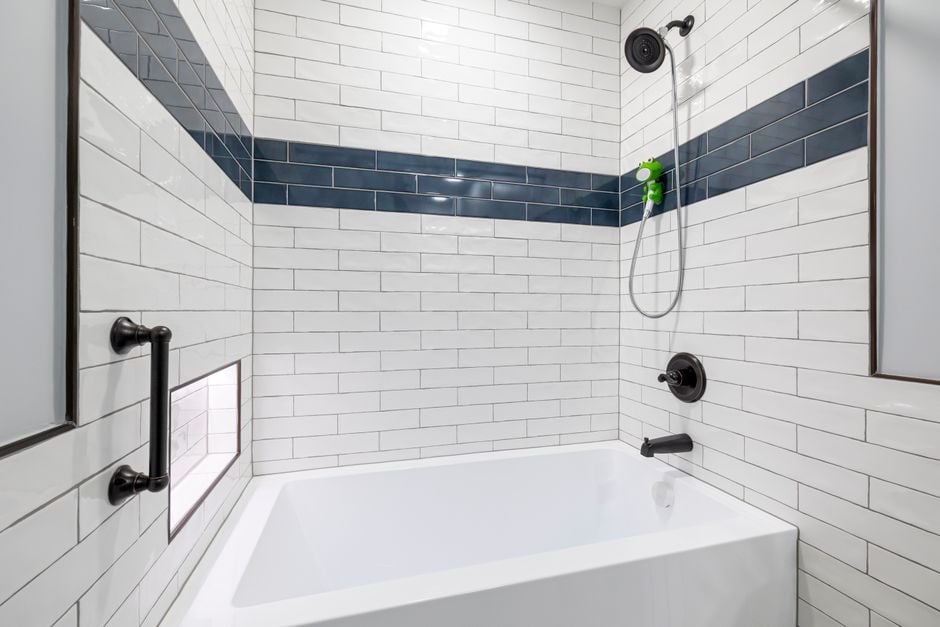
When the existing bathtub has extensive damage or no longer suits the household, tub replacement can offer a more practical long-term solution. Modern options include conventional soaking tubs, combination tub-and-shower units, and accessible designs with easier entry.
The right choice depends on available space, household preferences, and plumbing requirements.
Consider how frequently the bathtub is used before selecting a replacement. Families with young children may value a traditional tub, while other households might prioritize accessibility.
Addressing the most inconvenient fixture first helps establish clear priorities for the remaining renovation.
Design the Layout Around How People Actually Move
An attractive bathroom layout is not necessarily a functional one. Poorly positioned fixtures can restrict movement, block cabinet doors, and make the space feel smaller than its actual dimensions.
Start by observing how household members use the bathroom throughout the day.
Consider whether someone needs to move around another person, access storage while the vanity is occupied, or open a shower door without hitting nearby fixtures.
Maintaining appropriate clearance around the toilet, sink, and bathing area is essential.
In smaller bathrooms, wall-mounted storage and carefully selected fixtures can improve usable space.
However, moving plumbing connections can increase renovation complexity and expense.
Preserving the existing layout may be sensible when it already supports comfortable movement.
A thoughtful floor plan should make ordinary activities feel effortless rather than forcing people to navigate around obstacles.
Choose Surfaces That Can Handle Constant Moisture
Bathrooms experience frequent humidity, splashing, and temperature changes. Materials that perform well elsewhere in the home may deteriorate quickly when exposed to these conditions.
Flooring should provide suitable slip resistance while remaining easy to clean.
Porcelain tile is a popular option because it resists moisture and is available in numerous finishes.
For shower surrounds, choose materials designed specifically for wet environments.
Remember that tile and grout alone do not create a waterproof shower. Proper waterproofing beneath the finished surface is essential for preventing hidden moisture damage.
Countertops should also tolerate water, cosmetics, and routine cleaning products.
When comparing materials, consider maintenance requirements alongside appearance.
A beautiful finish that requires constant attention may become frustrating in a heavily used family bathroom.
Durability should influence every major surface selection.
Improve Lighting Where It Makes the Biggest Difference
Bathroom lighting should support grooming, cleaning, and safe movement without creating uncomfortable glare.
A single ceiling fixture often leaves shadows around the face, making tasks such as shaving or applying makeup more difficult.
Combining overhead illumination with lighting near the vanity generally produces more balanced results.
Fixtures positioned beside a mirror can reduce facial shadows, while recessed lighting may provide broader illumination.
Consider warmer lighting for a relaxing atmosphere, but ensure task areas remain sufficiently bright.
Nighttime visibility also deserves attention, particularly in households with older adults.
Soft nightlights or low-level lighting can make bathroom visits more comfortable without requiring bright overhead fixtures.
Choose electrical fixtures rated for their installation locations, especially near showers and bathtubs.
Good lighting improves both the appearance and everyday usability of the finished bathroom.
Build Storage Around Your Daily Essentials
Bathroom clutter often develops because storage was designed without considering what people actually need to keep nearby.
Before ordering cabinets, review your toiletries, cleaning supplies, towels, and personal care products.
Separate items used daily from those that can be stored elsewhere.
Drawers with organizers can make smaller products easier to find, while recessed medicine cabinets provide storage without occupying additional floor space.
Vertical shelving may help in compact bathrooms, provided it does not interfere with movement.
Consider where wet towels will hang and whether multiple household members need separate storage areas.
Avoid filling every available wall with cabinetry, as excessive storage can make the room feel crowded.
The objective is to create convenient places for essential items while maintaining a clean, open appearance.
Plan for Accessibility Before It Becomes Necessary
Bathroom accessibility is worth considering even when everyone in the household currently moves comfortably.
High bathtub edges, slippery floors, and limited maneuvering space can become obstacles following an injury or as mobility changes with age.
Planning for future needs during a renovation may be easier than modifying the bathroom later.
Features such as slip-resistant flooring, handheld showerheads, and properly positioned grab bars can improve usability.
Some homeowners may benefit from a walk-in shower or a bathtub designed for easier access.
However, accessibility products should be evaluated carefully. Walk-in tubs, for example, generally require users to enter before filling and remain seated while draining.
Structural reinforcement may also be necessary for securely installed grab bars.
An accessible design should address actual movement needs rather than relying solely on products marketed as safety upgrades.
Prevent Hidden Water Problems During Renovation
Visible finishes receive considerable attention during bathroom remodeling, but concealed plumbing and moisture protection are equally important.
Leaks behind walls or beneath flooring can cause damage long before obvious symptoms appear.
When old fixtures are removed, inspect surrounding surfaces for deterioration, staining, or signs of previous water intrusion.
Damaged materials should be repaired before new finishes are installed.
Ventilation is another essential consideration.
An appropriately sized exhaust fan that vents outdoors can help remove excess humidity after showers and baths.
Check that plumbing connections, waterproofing systems, and drainage components are installed according to applicable requirements.
Hiring qualified professionals for specialized work can reduce the risk of costly mistakes.
A renovation should solve existing moisture problems rather than conceal them beneath attractive new surfaces.
Make Renovation Choices That Remain Practical for Years
Bathroom trends change, but the best renovation decisions continue delivering value after popular styles fade.
Neutral foundational finishes can provide flexibility when you want to update accessories or wall colors later.
Prioritize dependable fixtures, comfortable dimensions, and materials that match your maintenance preferences.
Before construction begins, establish a clear project scope and confirm which work requires permits or inspections.
Request detailed estimates that distinguish labor, materials, and potential additional costs.
It is also sensible to allow for unexpected repairs, particularly in older bathrooms where concealed damage may become visible during demolition.
Avoid selecting fixtures solely because they look impressive in photographs.
A successful renovation should accommodate real routines, withstand regular use, and remain comfortable as household needs evolve.
Ultimately, the most rewarding bathroom improvements are often the ones you notice through convenience rather than appearance. Easier cleaning, better lighting, safer movement, and reliable fixtures can transform everyday routines.
By approaching renovation as an opportunity to solve practical problems, homeowners can create a bathroom that feels thoughtfully designed and remains enjoyable for years.


