

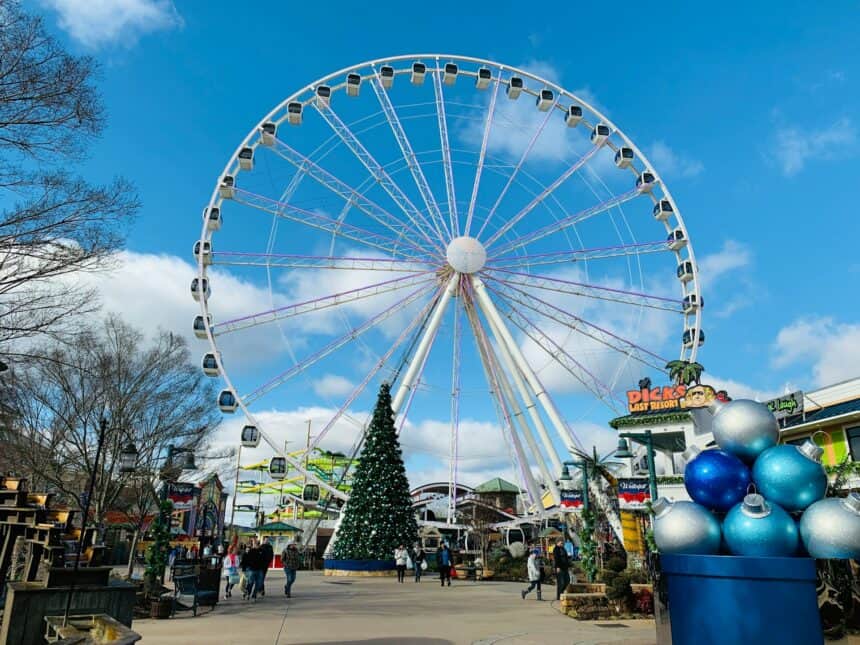

s, there’s something special about walking through a fairground filled with lights, smells, and laughter. I’ve always loved that feeling—the crunch of gravel underfoot, the sound of a distant carousel, and the mix of strangers sharing a single joyous moment. Fairs, no matter where you are, bring people together to celebrate art, culture, food, and community.
From centuries-old trade fairs in Europe to modern expos in Asia, fairs continue to shape economies, spark cultural exchange, and give people reasons to gather.
Europe’s Grand Tradition of Fairs
Europe has been the birthplace of some of the oldest and most iconic fairs in history. The Frankfurt Book Fair in Germany, dating back to 1454, remains the largest of its kind, drawing more than 230,000 visitors annually. Walking through its endless halls is like flipping through the pages of the world’s imagination—publishers, writers, and readers all under one roof, celebrating stories from every language.
Then there’s the Seville Fair in Spain, or Feria de Abril, a weeklong explosion of color and dance. More than a million people visit each year to enjoy flamenco music, horse parades, and traditional Andalusian cuisine. It’s not just an event—it’s a living piece of cultural pride.
In the UK, the Nottingham Goose Fair dates back over 700 years. What began as a livestock market is now one of Europe’s biggest traveling funfairs, featuring everything from classic carousel rides to modern thrill machines.
The Vibrant Energy of Asian Fairs
Asia’s fairs are a feast for the senses. In India, the Pushkar Camel Fair stands out as one of the most unusual and fascinating gatherings in the world. Every November, over 400,000 visitors and 50,000 camels converge on the sands of Rajasthan. It’s not only a livestock trading event—it’s also a cultural celebration filled with folk music, traditional jewelry markets, and even camel beauty contests. I still remember the first time I saw a decorated camel walking proudly through the crowd; it was a moment that captured the heart of rural India.
In Japan, the Sapporo Snow Festival turns winter into art. Millions of people visit each February to see massive snow sculptures, some as tall as buildings, transforming the city into a frozen wonderland.
Meanwhile, in China, the Canton Fair in Guangzhou is one of the largest trade exhibitions in the world, drawing businesses from more than 200 countries. It’s a perfect example of how fairs have evolved—from local bazaars to global commerce hubs.
North America’s Celebration of Culture and Community
Across the United States and Canada, fairs are a staple of community life. The Minnesota State Fair, known as “The Great Minnesota Get-Together,” welcomes over two million visitors annually, making it one of the largest in North America. From butter sculptures to deep-fried everything, it’s a true celebration of Americana.
The Calgary Stampede in Canada is another must-see event, combining rodeo sports, parades, and music into what locals call “the Greatest Outdoor Show on Earth.” Every July, the city transforms into a cowboy capital, drawing more than a million people from around the world. Having attended once, I can say there’s nothing quite like the sound of cheering crowds and the smell of barbecue drifting through the summer air.
Even smaller regional fairs—like the CNE (Canadian National Exhibition) in Toronto—carry a special charm. Established in 1879, it now attracts more than a million visitor each year, offering everything from live concerts to futuristic tech showcases.
Latin America’s Colorful Fair Culture
Latin America brings unmatched vibrancy to its fairs. In Mexico, the Feria de San Marcos in Aguascalientes is one of the oldest and largest fairs in the region, welcoming nearly eight million visitors each spring. It features concerts, art exhibitions, bullfights, and endless stalls of local food and crafts. The streets come alive with mariachi music, fireworks, and traditional dance performances that last late into the night.
In Brazil, São Paulo’s Festa Junina celebrates the harvest season with bonfires, folk dances, and colorful costumes. What began as a religious festival now blends rural tradition with urban creativity, attracting millions across the country each June.
The Modern Face of Global Fairs
Fairs today are not just about local markets—they’ve evolved into platforms for innovation, sustainability, and global dialogue. World Expos, for example, continue to shape how nations present themselves to the world. Expo 2021 Dubai, held after a pandemic delay, drew more than 24 million visitors. Each pavilion offered a glimpse into how technology, design, and culture intersect to solve global challenges.
Eco-fairs are also gaining traction. Events like the GreenTech Festival in Berlin and the World Future Energy Summit in Abu Dhabi focus on clean energy and environmental innovation. These fairs remind us that while the purpose of gathering has evolved, the human spirit of curiosity and connection remains the same.
Why Fairs Will Never Fade
Every fair I’ve visited, whether a small town event or an international expo, has had one thing in common: people showing up for the joy of being together. It’s easy to forget that fairs were among humanity’s earliest forms of community gathering—places where trade met storytelling, and strangers became friends.
Even as virtual events grow, the magic of fairs lies in the physical experience: tasting, touching, and feeling the world in one place. That’s something no digital platform can replicate.
So the next time you see a local banner announcing a fair, stop by. You might not just find good food or fun rides—you might rediscover a timeless tradition that unites people across borders, languages, and generations.


