



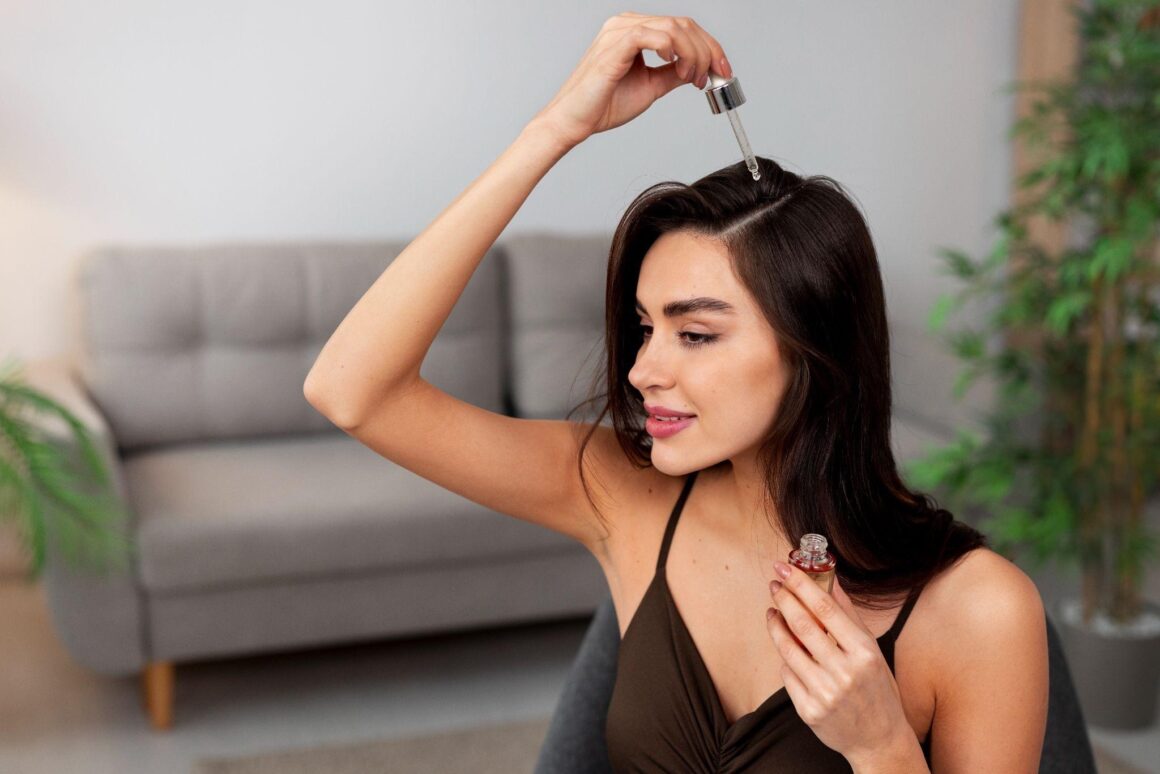
Hair oiling is one of those things that gets passed down before you even think to question it. Your mother did it, her mother did it, and somewhere along the way it became less of a ritual and more of a reflex. But now people are asking a fair question: does it actually work, or is it just comfort wrapped in coconut smell?
The honest answer is — it depends entirely on the oil and how it’s used.
Why the Oil You Choose Actually Matters
Not all oils do the same thing. Some coat the hair shaft and reduce breakage. Some penetrate the scalp and support circulation. Some have compounds that interact with hair follicles at a cellular level. Grouping them all together and saying “oil your hair twice a week” misses the point completely.
The scalp is living tissue. It has sebaceous glands, blood vessels, and follicles that respond to what you put on them. An oil rich in fatty acids can reinforce the lipid layer of the scalp. An oil with anti-inflammatory properties can reduce the chronic low-grade irritation that often silently contributes to hair thinning.
So the question isn’t just “should I oil my hair?” It’s “what is my scalp actually missing, and which oil addresses that?”
The Oils That Come Up Most Often — And Why
Across Indian households, a few oils have stood the test of time. Here’s what’s behind their reputation:
- Coconut oil penetrates the hair shaft more deeply than most oils because of its low molecular weight. It reduces protein loss during washing, which matters if your hair is already fragile.
- Bhringraj oil has been used in Ayurveda specifically for hair fall. Research suggests it may support follicle health and extend the anagen (growth) phase of the hair cycle.
- Castor oil is thick and sometimes uncomfortable to use, but its ricinoleic acid content gives it mild anti-fungal and circulation-boosting properties — useful for people dealing with scalp buildup or poor blood flow to follicles.
- Almond oil is gentler and works better for surface-level concerns like dryness, brittleness, and frizz. It’s also rich in vitamin E, which has antioxidant benefits for scalp tissue. Many people exploring natural options for hair regrowth start here because it’s easy to use and rarely causes irritation.
- Rosemary oil (diluted) has gained serious attention recently — a 2023 study found it comparable to 2% minoxidil for certain types of hair loss, though evidence is still building.
Where Most People Go Wrong With Oiling
The ritual itself is often done incorrectly, which limits results.
- Applying oil to dirty, buildup-covered scalp reduces absorption significantly
- Leaving oil on for days actually attracts dirt and clogs follicles
- Using too much oil causes you to over-shampoo, stripping away natural sebum
- Rough massage techniques create friction that breaks hair near the root
A clean scalp, a moderate amount of oil, and a gentle circular massage for 5–10 minutes is more effective than overnight oil sitting under a towel for three days.
When Oiling Alone Isn’t Enough
This is the part most people don’t want to hear. If your hair loss has a systemic cause — hormonal imbalance, nutritional deficiency, thyroid dysfunction, chronic stress — no oil is going to fix it. Not even the most thoughtfully formulated one.
Hair loss that progresses despite consistent oiling and basic care usually has roots (no pun intended) that go deeper than the scalp surface. In those cases, addressing the internal cause is non-negotiable. That’s the thinking behind how Traya Hair Growth Oil is positioned — not as a standalone miracle, but as one layer of a system that also looks at diet, gut health, hormones, and stress together.
Topical care and internal care aren’t competing ideas. They work best when they work together.
Final Thoughts
The oils Indian users have trusted for generations aren’t just tradition for tradition’s sake. Many of them have genuine biological mechanisms behind their benefits. But they work best when you understand what they’re doing, apply them correctly, and recognize their limits.
Hair recovery — real recovery — usually isn’t about finding the one perfect oil. It’s about understanding why your hair is struggling in the first place, and then choosing the right tools for that specific reason.


