

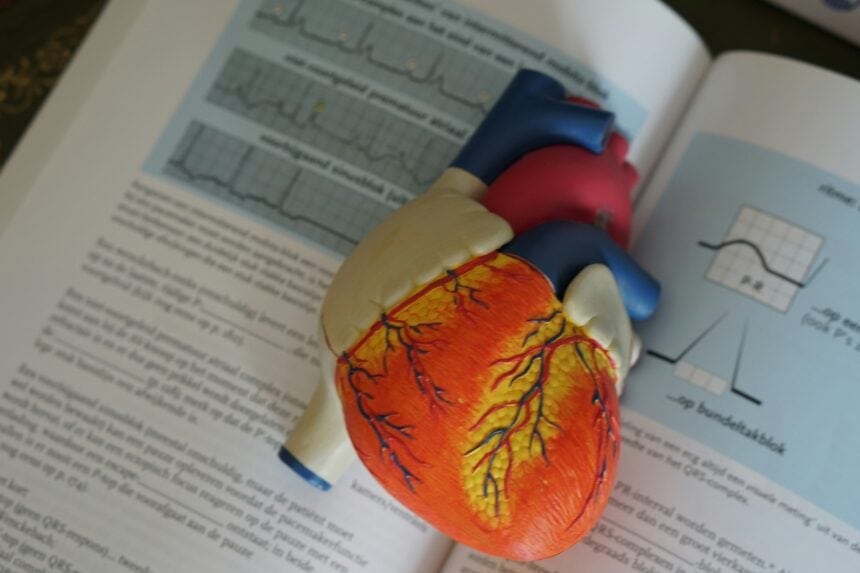

A lot of people misunderstand what medical programs are really about. They are not designed to turn students into doctors overnight. That is never the goal. Instead, these programs offer an early look into the healthcare world. They help students understand what medical careers actually look like. The good moments.The difficult ones. And everything in between.
- A Strong Base In Science (But not boring)
- Learning The Human Body
- Basic Medical Skills That Matter
- Early Exposure To Healthcare Careers
- Real-world Experience & Observation
- Medical Ethics & Responsibility
- Learning How To Care For People
- Preparing For College & Beyond
- Is A Medical High School Program Right for Everyone?
If someone is curious about hospitals, patients, or science that truly helps people, medical programs for teens are often where that interest begins.
A Strong Base In Science (But not boring)
Science is a big part of the medical high school program. But it is not just textbook science. Teachers slow things down instead of rushing through the chapters. They explain why things happen. Not just what happens.
Students learn biology, chemistry and sometimes anatomy more practically. The human body becomes more personal. You are not just learning terms. You are learning how the body reacts to illness and healing.
It connects things to medicine – like how drugs work or how reactions happen. It starts to feel useful, not abstract. And honestly, that makes learning easier.
Learning The Human Body
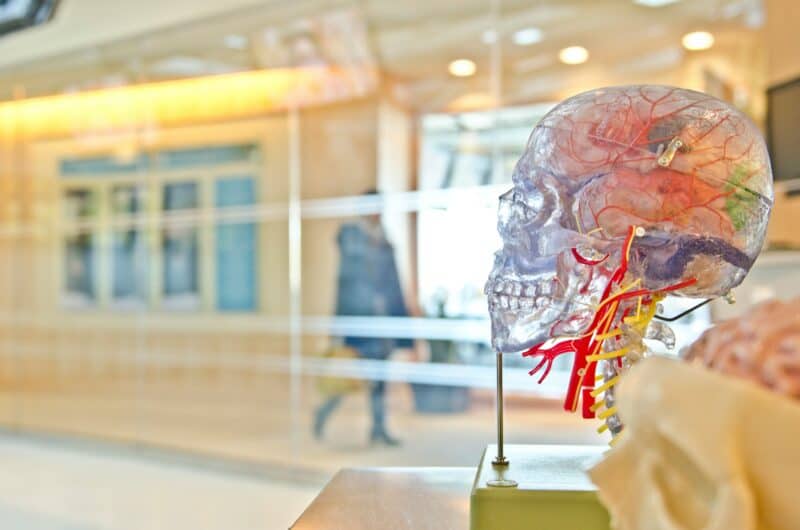
The most interesting part of the medical high school program is anatomy and physiology. Students learn how the heart pumps blood, lungs take oxygen, or nerve sends messages.
Teachers often connect lessons to real situations. Things that happen during a heart attack, or how diabetes changes the blood sugar level.
It helps students understand that the body is a system. Everything is connected and can affect many parts. This is often the moment when students realise if healthcare really excites them or not.
Basic Medical Skills That Matter
Medical high school programs also focus on basic hands-on skills. Nothing extreme – just the useful and real-world skills.
For example, students may learn:
- How to take basic vital signs like pulse and blood pressure.
- How to do the basic first-aid or sometimes even CPR.
- How to follow safety and hygiene rules in medical settings.
These small things build confidence. Students feel capable that ultimately helps them get closer to the healthcare world.
Early Exposure To Healthcare Careers
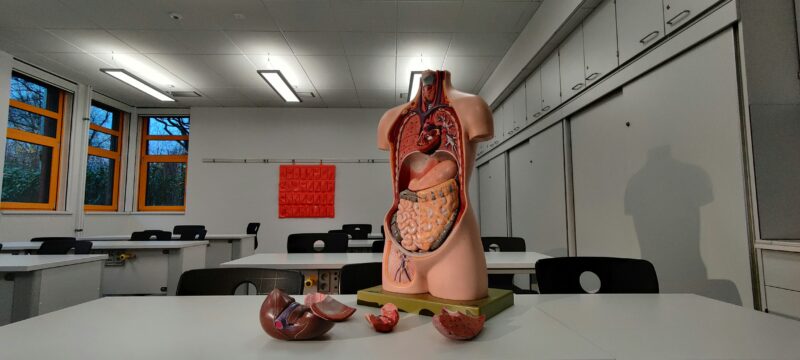
One great thing about these programs is exposure. Students don’t only learn about doctors. They learn about nurses, lab technicians, medical assistants, therapists, and many more roles.
That helps a lot. Because many students enter thinking they want one thing. Then they discover something else that fits them better. In many schools, this exposure includes:
- Career talks from healthcare professionals
- Basic clinical observations or simulations.
Seeing real professionals talk honestly about their work makes a great difference. It converts ideals into real possibilities.
Real-world Experience & Observation
Many medical high school programs include practical exposure.
This might be through lab simulations, school clinics, or supervised observation. Some programs even partner with hospitals or healthcare centres.
Students get to see how medical environments actually work. The pace, the teamwork and the responsibility. This experience makes everything feel more real. Less like a school subject and more like a future path.
Medical Ethics & Responsibility
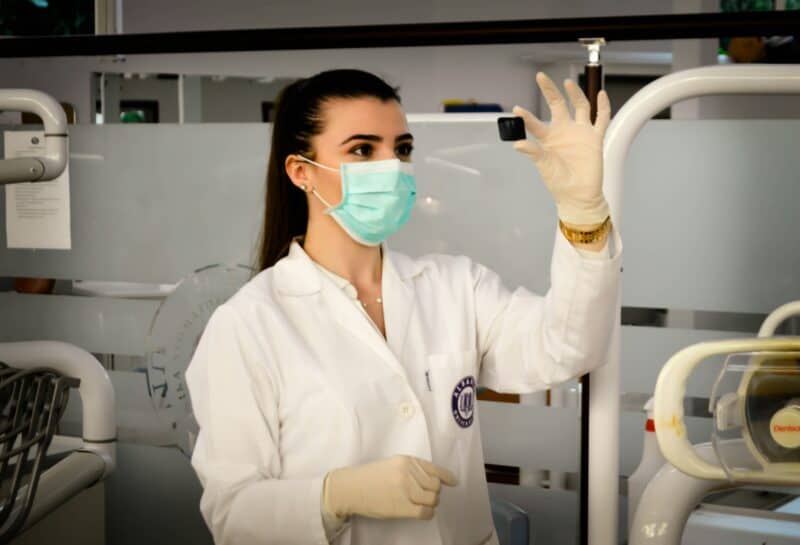
Medical high school programs also teach students to think carefully. Students learn about medical ethics, privacy, and consent. They discuss real-life situations. Sometimes uncomfortable ones.
What should you do if someone refuses treatment? Why is patient confidentiality so important? How do mistakes affect us?
This conversation helps students mature. They learn that healthcare is not just about knowledge. It is about responsibility.
Learning How To Care For People
Here is something people don’t talk about enough. Healthcare is not just about science. You need to connect with people, too. Medical programs teach students how to communicate, listen, and show empathy. These skills are just as important as knowing facts.
Students learn how to talk to patients respectfully. It teaches students to stay calm and work with others during stressful moments. This part shapes character, not just careers.
Preparing For College & Beyond
Medical high school programs don’t replace college. They prepare students for it. Students learn how to advance subjects, ask questions, and think critically.
When they move on to college or medical training, they feel less lost. In simple terms, it makes them more prepared and confident.
Is A Medical High School Program Right for Everyone?
Not necessarily, and that is totally ok. These programs are best for students who are curious about healthcare. People who enjoy science and want meaningful work.
Some students join and realise it is not for them. And that is still a win as they learn early. Others fall in love with the field. And that is where journeys begin.

